All Categories
Featured
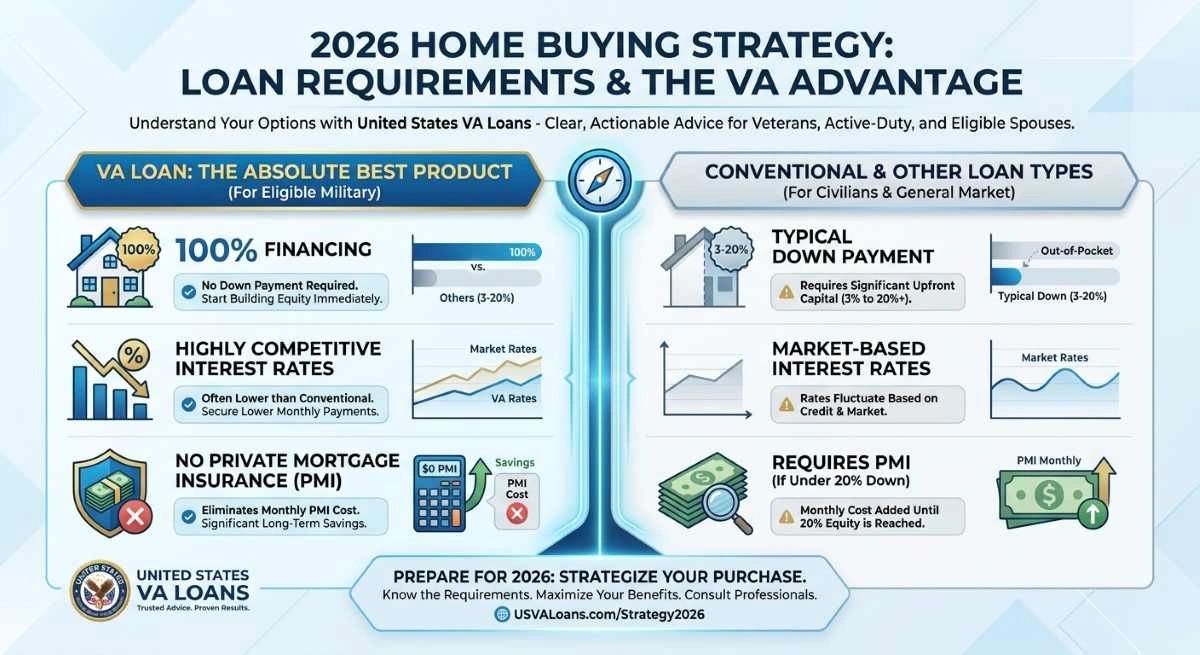

Essential Advice for Effective Mortgage Management
The Maryland Department of Housing and Neighborhood Development provides multifamily financing programs for the building and rehab of budget-friendly rental real estate units for low to moderate income households, seniors and individuals with impairments. Our multifamily bond programs problems tax-exempt and taxable revenue home loan bonds to fund the acquisition, conservation and creation of economical multifamily rental housing systems in top priority financing locations.
ProgramDescription The purpose of the Multi-Family Bond Program is to increase the building and rehabilitation of multi-family rental housing for households with limited earnings. Tax-exempt and taxable bonds and notes provide below-market and market rate construction and permanent funding. Taxable bonds offer market rate building and permanent financing to leverage federal Low-Income Real estate Tax Credits, and to fund projects and activities which are ineligible for tax-exempt bonds.
Comparing Modern Home Assistance PlansAwards are based on the requirements laid out in the State's Allotment Strategy. Projects financed with tax-exempt bonds may be qualified for Tax Credits outside of the competitive procedure. Job sponsors, or in the case of syndication, investors claim the Tax Credit on their federal tax return. Rental Real Estate Fund The Department's Rental Real estate Funds are composed of a variety of programs all of which aim to rehabilitate or develop rental real estate.
A part of the federal HOME cash administered by the State likewise are included in Rental Housing Funds. The programs are typically created to be compatible with tax-exempt or taxable bond funding, low-income real estate tax credits, and other personal or public funds.Rental Real estate Functions The function of Rental Real estate Functions is to develop tasks and enhance the Maryland economy by supplying gap financing for the creation and conservation of affordable rental real estate financed through the Maryland Department of Real Estate and Community Development's Multifamily Bond Program and Low Income Real Estate Tax Credit Program. Projects financed through the Collaboration Rental Housing Program generally involve a partnership between State and city governments. Group Home Program The purpose of the Group Home Program is to assist individuals, certified minimal collaborations, and not-for-profit organizations to build or obtain or obtain and modify existing real estate to act as a group home or helped living unit for eligible individuals and households with unique real estate requirements or to refinance home loans on existing group homes. The Trust is governed by a Board of Trustees and staffed by the Maryland Department of Real Estate and Neighborhood Advancement. A part of the interest created by title company escrow offers the financing for the Maryland Affordable Housing Trust. Grants to regional public companies and not-for-profit designers to assist private novice homebuyers through deferred-payment loans for downpayment assistance, home rehabilitation, consisting of made homes not on irreversible structures, acquisition and rehabilitation, property buyer therapy, self-help home loan help, or technical help for self-help homeownership. All funds to private house owners will be in the form of loans. Loans for real home acquisition, website advancement, predevelopment, construction duration costs of homeownership advancement projects, or long-term
Proven Mortgage Planning Tips for 2026Expert Advice for Effective Mortgage Planning
financing for shared real estate and cooperative advancements. Task loans to developers may be forgiven as the loans convert into credit loans to individual house owners. Help to private homes will be in the kind of deferred-payment loans payable on sale or transfer of the homes, or when they cease to be owner inhabited, or at maturity. As an FHLBNY member, you have access to our novice property buyer programs to increase inexpensive homeownership in your neighborhood. Each year, to get involved in these programs and get an allocation of funds for disbursement to eligible homes, members should first enlist in the round. HDP funds enable you to offer grants that help cover down payment, closing expenses and homebuyer therapy services for qualified property buyers who meet particular income and extra criteria as specified by each of the program specifications below:. First-time property buyer grants are assistance programs produced to support purchasers as they face the high in advance costs of purchasing their very first home. In 2026, as cost remains an essential difficulty, grants continue to serve as valuable tools.
for those going into the housing market. These funds usually do not require repayment and might be used for deposits, closing costs, or both. For a high-level understanding of readily available United States grants, you might likewise wish to explore our roundup in Top 26 Grants to Make an application for in 2026: Your Complete Guide to Grant Financing Opportunities. Eligibility for first-time property buyer grants is set by each state's housing firm.
Many state housing finance agencies handle their own grant programs, typically in partnership with regional governments or nonprofits. State Housing Finance Agency Grants: Almost every state offers a central grant, such as Minnesota's Start Up program or Kentucky Real estate Corporation's Homebuyer Tax Credit. Down Payment Help(DPA) Programs: Options like Colorado's CHFA or CalHFA in California supply grants or forgivable loans.

Latest Posts
Refinance Advice to Reduce Payments in 2026

The Essential Guide to 2026 Home Loan Assistance
Benefits of Early Mortgage Relief in 2026